
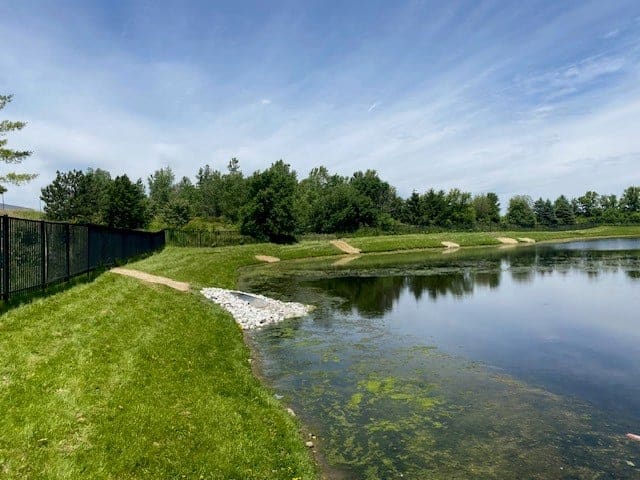

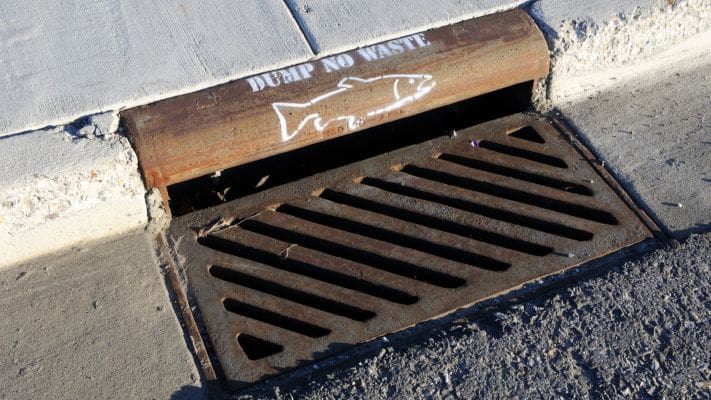

Stormwater compliance means meeting the federal, state and local regulations that govern how rainwater and snowmelt runoff is managed on your property. For most commercial, industrial and multifamily properties, compliance involves maintaining on-site stormwater infrastructure (ponds, catch basins, drainage pipes), meeting inspection requirements and keeping records that demonstrate your system is functioning correctly. The specific requirements depend on your state, municipality and the type of permit that applies to your property.

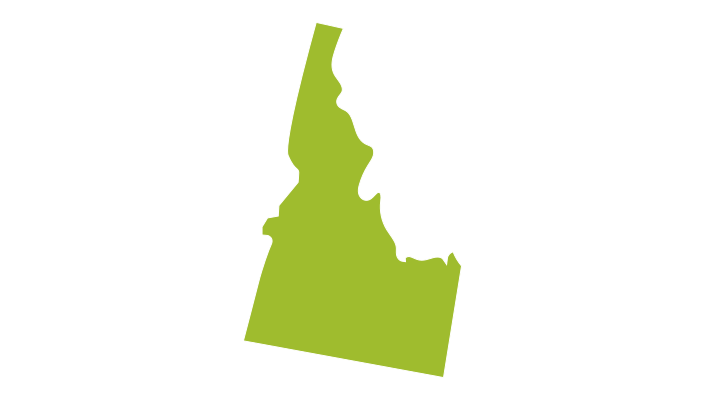
At AQUALIS, we know Idaho's sustainable water compliance standards and manage regulator relations for our clients.
It is our mission to help you become compliant with these stormwater, wastewater and drinking water regulations through inspections, maintenance, repairs and rehabilitation services. As your water compliance provider, we handle the regulatory guidelines specific to Idaho and ensure that our services meet the highest compliant procedures to keep you in compliance with local regulators.
Learn more about Idaho’s regulations and AQUALIS’ sustainable water management services.
Municipalities in Idaho
Case Studies
Services Offered in Idaho
Frequently Asked Questions
What is stormwater compliance?
How does stormwater impact property value?
Stormwater infrastructure affects property value in several ways that are easy to overlook until a transaction is underway.
During due diligence: Buyers and lenders increasingly request stormwater inspection reports as part of commercial property transactions. A system with deferred maintenance, unresolved NOVs or missing inspection records can become a negotiating issue or a deal risk.
Flooding history: Properties with recurring stormwater problems (parking lot flooding, pond overflows, erosion) carry a documented liability that affects both insurability and perceived value.
Remediation costs: Deferred stormwater maintenance compounds over time. A pond that costs a few thousand dollars to maintain annually can require $50,000–$200,000 in dredging or reconstruction if neglected for several years. These costs are often surfaced during appraisals or environmental assessments.
Curb appeal and aesthetics: For retail and multifamily properties, a well-maintained stormwater pond or green infrastructure feature is an amenity. An overgrown, silted-up pond signals neglect to tenants and customers alike.
How often do I need to have my stormwater system inspected?
Inspection frequency varies by state, permit type and the type of stormwater infrastructure on your property, but most jurisdictions require at least one inspection per year. Many municipalities require annual inspections conducted by a licensed professional engineer, with a signed report submitted to the local stormwater authority.
Some permits impose more frequent requirements: construction sites under an active NPDES permit are typically inspected before and after significant storm events. Properties in sensitive watersheds or with a history of violations may be subject to additional oversight.
Why is stormwater maintenance important?
Stormwater systems are designed to manage a specific volume and velocity of water. When they’re not maintained, performance degrades and the consequences can be significant:
Regulatory risk: A failed inspection or malfunctioning system can result in a Notice of Violation (NOV), fines and mandated repairs under a regulatory timeline, often more costly than routine maintenance would have been.
Property damage: Clogged inlets, deteriorated pipes and overwhelmed ponds lead to flooding, erosion and structural damage to pavement and buildings. Sinkholes caused by failed underground infrastructure are a common and expensive result of deferred maintenance.
Environmental liability: Untreated runoff carrying pollutants into waterways can expose property owners to broader environmental enforcement, including from state environmental agencies and the EPA.
Permit renewal risk: Many stormwater permits require demonstrated compliance history at renewal. Gaps in maintenance records can complicate or delay renewal.
Did you receive an NOV? Have an urgent need? We can help.
Notices of Violation (NOVs) or Corrective Notices should be taken seriously. Contact AQUALIS today to learn how to resolve the issue and comply with regulations.